How Hurricane Harvey Affects Mosquito-Borne Viruses in Texas
Explore how Hurricane Harvey’s flooding influenced mosquito activity and West Nile and Zika risks in Texas and what we learned about prevention.
After record-breaking floods and widespread damage, public health experts are turning their attention to another potential threat: mosquito-borne viruses. At Mosquito Management Systems, we’re keeping an eye on how Hurricane Harvey’s aftermath impacted mosquito activity across Texas— and how homeowners learned to stay protected.
The West Nile & Zika Situation
As of late August 2017, the CDC reported 45 states and D.C. with West Nile virus cases, including 190 neuroinvasive and 124 non-neuroinvasive cases. Texas alone had 33 human cases of West Nile by August 22.
For Zika, Texas reported 23 cases in 2017, including its first mosquito-transmitted case in late 2016. The Texas Department of State Health Services (DSHS) expanded its at-risk areas in August, especially for pregnant women.
How Hurricane Harvey Changes the Landscape
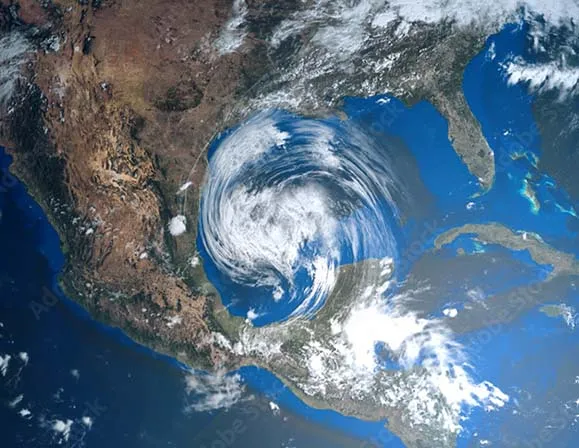
Harvey made landfall as a Category 4 storm on August 25, 2017, bringing unprecedented rainfall—over 51 inches in some areas. As floodwaters spread across southeast Texas and Louisiana, concerns quickly shifted to long-term health implications.
While initial floodwaters aren’t ideal for virus-carrying mosquitoes (such as Aedes aegypti), they leave behind standing pools that become perfect breeding grounds in the weeks that follow.
Why Standing Water Becomes a Breeding Ground
After floods recede, pools of stagnant water remain—in tires, flowerpots, gutters, trash, and debris. These are exactly where mosquitoes like Aedes aegypti thrive. This species is known for transmitting both Zika and West Nile viruses.
What Past Hurricanes Teach Us
History shows that major hurricanes can alter mosquito activity—but not always in the way people expect. After storms like Katrina and Harvey, floodwaters initially wash away adult mosquitoes. However, as the water recedes, it leaves behind countless pools of stagnant water—ideal breeding grounds for species such as Aedes aegypti and Culex quinquefasciatus, both known to spread West Nile and Zika viruses.
The Centers for Disease Control and Prevention (CDC) notes that standing water left by hurricanes and floods can dramatically increase mosquito populations within days. Following Hurricane Katrina, researchers found that widespread flooding significantly altered arboviral disease transmission in Louisiana.
A 2020 study published in the Journal of the American Mosquito Control Association found that early-season hurricanes along the Gulf Coast could increase the risk of West Nile neuroinvasive disease by nearly 94% in the months that follow. Likewise, research from Scientific Reports (2024) showed mosquito populations in Miami-Dade County surged seven to eightfold after Hurricane Irma.
While not every storm triggers a viral outbreak, experts agree that the combination of standing water, disrupted infrastructure, and displaced wildlife can create ideal conditions for mosquito-borne disease transmission. That’s why the CDC’s West Nile Virus Guidelines emphasize early prevention—eliminating standing water, applying repellents, and using coordinated mosquito control efforts in the weeks following major floods.

What Health Officials Recommend After a Hurricane
After Hurricane Harvey, the Texas DSHS urged residents to:
- Avoid contact with floodwaters, which may contain bacteria and hazardous waste.
- Use EPA-approved insect repellent.
- Eliminate standing water around their homes.
- Install or repair window and door screens.
- Wear long sleeves and pants when outdoors.
Prevention Starts at Home
The weeks following major storms are the most crucial time for prevention. Homeowners should inspect their property for any stagnant water, including in flowerpot trays and unused containers.
Final Thoughts
While we don’t yet know exactly how Hurricane Harvey affected mosquito-borne virus numbers, history and science suggest we should stay vigilant. Preventive mosquito control—especially at home—is more important than ever.
Have questions or need help protecting your yard?
Contact Mosquito Management Systems today for custom misting and mosquito prevention solutions built for Texas weather.

832-778-6366

Info@mosquitomanagement.com
